
 Send Email
 Whatsapp


How to Choose the Right Solar Cable for Industrial PV Systems

Choosing the right Solar Cable is crucial for both efficiency and safety in your industrial PV system. The cable you select directly impacts your system's performance and longevity. Factors such as wire gauge, environmental conditions, and application needs will influence your decision.
Key Takeaways
- Choosing the right solar cable enhances the efficiency and safety of your industrial PV system. Consider factors like wire gauge and environmental conditions.
- Select cables designed for specific applications. Use photovoltaic cables for solar panel connections and multi-core cables for complex installations.
- Calculate the appropriate wire gauge based on total load and distance. A thicker wire minimizes energy loss and prevents overheating.
Overview of Solar Cable Types
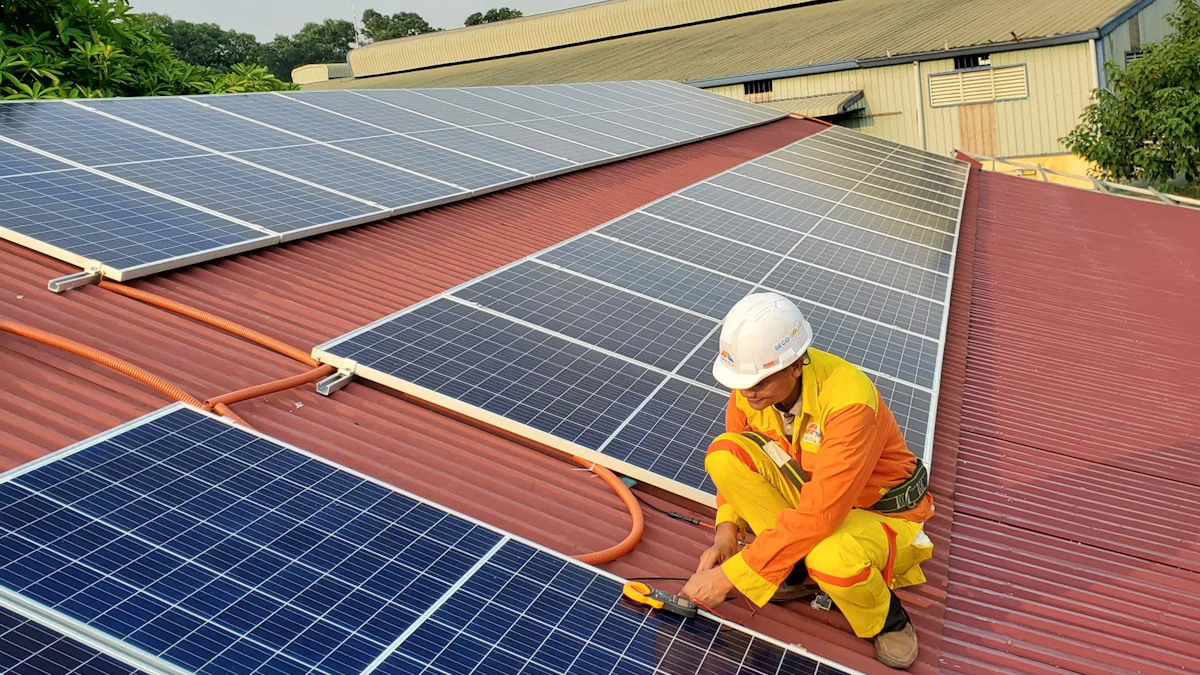
When selecting a solar cable, you will encounter several types, each designed for specific applications. Understanding these types helps you make informed decisions for your industrial PV system.
Types of Solar Cables
-
Photovoltaic (PV) Cable:
- This type is specifically designed for solar panel connections.
- It features excellent insulation and is resistant to UV rays and extreme temperatures.
-
Single-Core vs. Multi-Core Cables:
- Single-Core Cables: These cables consist of one conductor. They are ideal for direct connections between solar panels and inverters.
- Multi-Core Cables: These cables have multiple conductors. They are useful for complex installations where flexibility and ease of installation are essential.
-
Low Voltage (LV) and High Voltage (HV) Cables:
- Low Voltage Cables: These cables operate at voltages up to 1,000 volts. They are common in residential and small commercial systems.
- High Voltage Cables: These cables handle voltages above 1,000 volts. They are necessary for large-scale industrial applications.
Applications of Each Type
-
Photovoltaic (PV) Cable:
- Use this cable for connecting solar panels to inverters. Its durability ensures long-term performance in various environmental conditions.
-
Single-Core Cables:
- Ideal for straightforward installations, such as connecting individual solar panels to a central inverter. They minimize resistance and energy loss.
-
Multi-Core Cables:
- Best suited for complex systems, such as those with multiple inverters or battery storage. Their flexibility allows for easier routing in tight spaces.
-
Low Voltage Cables:
- Perfect for smaller installations, such as residential solar systems. They provide adequate performance without the need for heavy-duty materials.
-
High Voltage Cables:
- Necessary for large industrial setups. They ensure efficient power transmission over long distances, reducing energy loss.
By understanding the different types of solar cables and their applications, you can choose the right one for your specific needs. This choice will enhance the efficiency and safety of your industrial PV system.
Determining Solar Cable Wire Gauge and Size
Choosing the correct wire gauge and size for your solar cable is essential for ensuring optimal performance in your industrial PV system. The wire gauge affects how much current the cable can safely carry. A proper size minimizes energy loss and prevents overheating.
Importance of Wire Gauge
Wire gauge refers to the thickness of the wire. It plays a critical role in determining the amount of current the cable can handle. A thicker wire can carry more current without overheating. Here are some key points to consider:
- Safety: Using the correct wire gauge prevents overheating and reduces the risk of fire.
- Efficiency: A suitable gauge minimizes energy loss due to resistance. This ensures that more energy reaches your inverter and ultimately your electrical system.
- Longevity: Properly sized cables last longer. They withstand the wear and tear of high currents without degrading.
To determine the right wire gauge, refer to the American Wire Gauge (AWG) standard. This standard provides a clear guideline on which gauge to use based on the current requirements of your system.
Calculating Size Based on Load
Calculating the appropriate size of your solar cable involves understanding the load your system will experience. Follow these steps to ensure you choose the right size:
-
Determine the Total Load: Calculate the total amperage your system will draw. This includes all connected devices and equipment.
-
Use a Wire Gauge Chart: Refer to a wire gauge chart to find the appropriate gauge based on your total load. For example, if your system draws 30 amps, you might need a 10 AWG wire.
-
Consider Distance: The distance between your solar panels and the inverter also affects the wire size. Longer distances increase resistance, which can lead to voltage drop. You may need to choose a thicker wire to compensate for this.
-
Account for Temperature: High temperatures can affect the performance of your solar cable. If your installation site experiences extreme heat, consider using a larger gauge to ensure safety and efficiency.
By following these steps, you can accurately calculate the size of your solar cable. This will help you maintain the efficiency and safety of your industrial PV system.
Considerations for Amperage and Voltage Drop in Solar Cables
Understanding Amperage Requirements
When you design your industrial PV system, understanding amperage requirements is essential. Amperage refers to the amount of electrical current flowing through your solar cable. You must ensure that your cables can handle this current without overheating. Here are some key points to consider:
- Calculate Total Amperage: Add up the amperage of all connected devices. This total will guide your cable selection.
- Choose the Right Gauge: Use a wire gauge chart to find the appropriate size for your solar cable. A thicker cable can carry more current safely.
- Monitor Temperature: High temperatures can affect cable performance. If your installation site is hot, consider using a larger gauge to maintain safety and efficiency.
Managing Voltage Drop in Long Runs
Voltage drop occurs when electrical energy loses strength as it travels through the cable. This can lead to inefficiencies in your system. To manage voltage drop effectively, follow these tips:
- Keep Runs Short: Whenever possible, minimize the distance between your solar panels and inverter. Shorter runs reduce voltage drop.
- Use Larger Cables: If long runs are unavoidable, opt for a thicker solar cable. This helps maintain voltage levels over distance.
- Calculate Voltage Drop: Use online calculators to estimate voltage drop based on cable length, gauge, and amperage. This will help you make informed decisions.
By understanding amperage requirements and managing voltage drop, you can enhance the performance of your industrial PV system.
Environmental Factors for Solar Cables
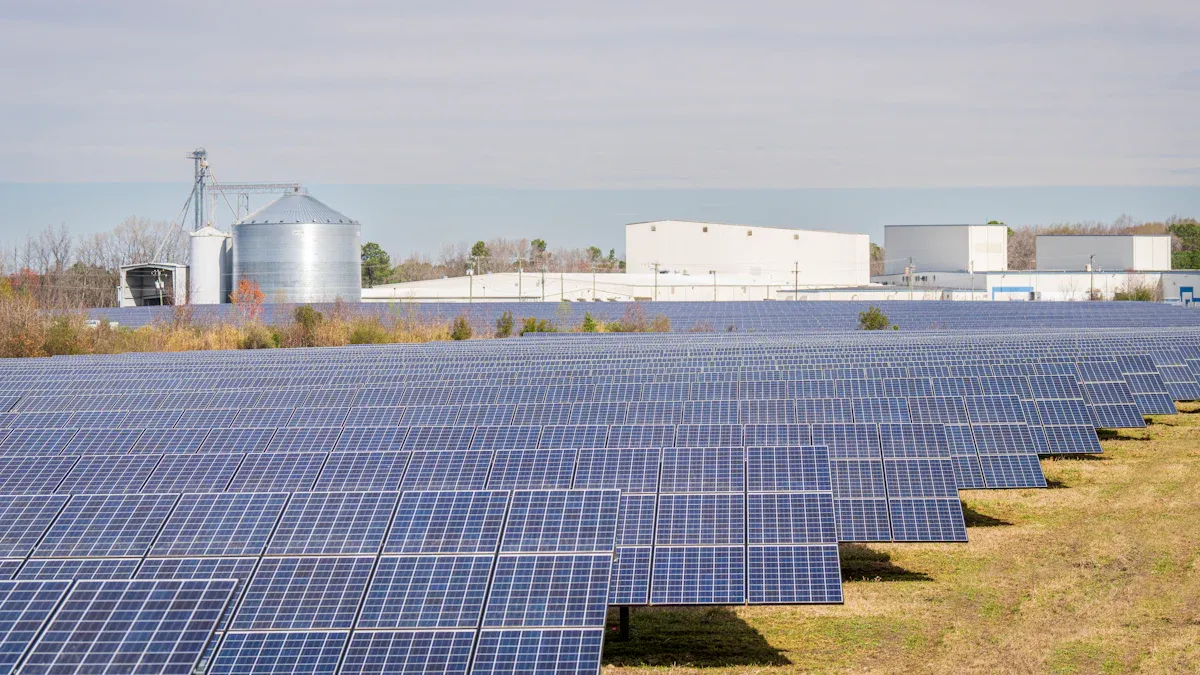
When selecting a solar cable, consider environmental factors that can impact its performance. Two critical aspects are temperature and weather resistance, along with UV protection and insulation types.
Temperature and Weather Resistance
Solar cables must withstand various temperatures and weather conditions. Extreme heat can cause cables to degrade faster. Cold temperatures can make cables brittle. Here are some tips to ensure your cables perform well:
- Choose cables rated for high temperatures: Look for cables that can handle temperatures up to 90°C (194°F) or more.
- Consider weatherproofing: Ensure your cables have protective coatings to resist moisture and corrosion. This helps maintain their integrity over time.
UV Protection and Insulation Types
UV rays can damage cables over time. Cables without proper UV protection may crack or lose insulation. To avoid this, select cables specifically designed for outdoor use. Here are some insulation types to consider:
- Cross-linked polyethylene (XLPE): This type offers excellent UV resistance and durability.
- Polyvinyl chloride (PVC): While less resistant to UV rays, PVC is still a common choice for indoor applications.
By understanding these environmental factors, you can choose the right solar cable for your industrial PV system. This choice will enhance the longevity and efficiency of your installation.
Application-Specific Considerations for Industrial Solar Cables
When selecting solar cables for your industrial PV system, you must consider the specific needs of your application. Industrial systems often differ significantly from residential setups.
Industrial vs. Residential Needs
Industrial solar systems typically require more robust components than residential systems. Here are some key differences:
- Higher Power Requirements: Industrial systems often handle larger loads. You need cables that can manage higher amperage and voltage.
- Durability: Industrial environments may expose cables to harsher conditions. You should choose cables with superior weather resistance and UV protection.
- Complexity: Industrial installations often involve multiple panels and inverters. You may need multi-core cables for flexibility and ease of installation.
In contrast, residential systems usually have lower power demands and simpler configurations. You can often use standard Photovoltaic Cables for these applications.
Compliance with Industry Standards
Compliance with industry standards is crucial for safety and performance. You should ensure that your solar cables meet relevant regulations. Here are some standards to consider:
- National Electrical Code (NEC): This code outlines safety requirements for electrical installations, including solar systems.
- Underwriters Laboratories (UL) Certification: Look for cables that have UL certification. This ensures they meet safety and performance standards.
By understanding the differences between industrial and residential needs, along with compliance requirements, you can make informed decisions about your solar cable selection.
Choosing the right solar cable is vital for your industrial PV system's efficiency and safety. Remember to consider factors like wire gauge, environmental conditions, and application needs. For tailored solutions, consult with professionals who can guide you in making the best choice for your specific requirements.
FAQ
What is the best wire gauge for solar cables?
The best wire gauge depends on your system's amperage. Generally, thicker wires handle more current safely.
How do I protect solar cables from UV damage?
Choose cables with UV-resistant insulation. This prevents cracking and degradation from sun exposure.
Can I use regular electrical cables for solar installations?
No, regular electrical cables lack the necessary insulation and durability for solar applications. Always use cables specifically designed for solar systems.