

 Send Email
 Whatsapp


How do I connect solar panels directly to my house?
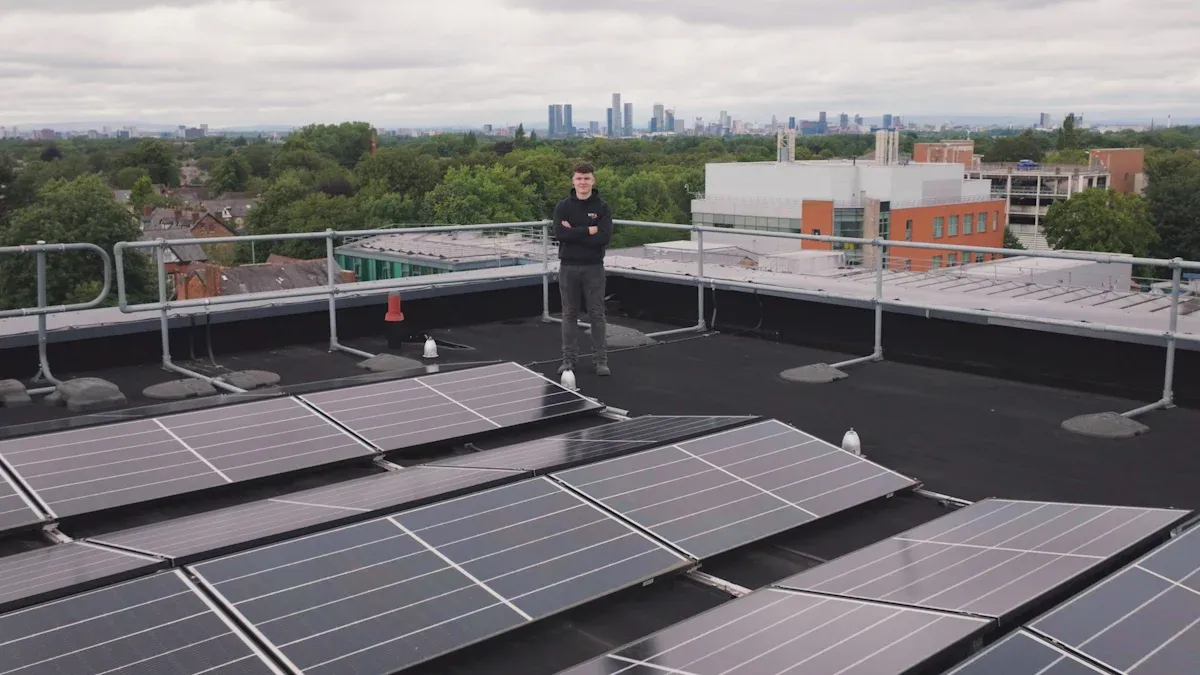
You can connect solar panels to your house if you use the right tools and follow safety rules. Always choose high-quality parts like Solar Cable for safe wiring. Check local codes before you start. If you feel unsure, ask a licensed electrician for help to avoid mistakes.
Key Takeaways
- Use high-quality SOLAR CABLE for all outdoor wiring to ensure safety and durability.
- Check your roof’s sunlight exposure and electrical system before installing solar panels.
- Follow local codes and consider hiring a professional to avoid risks and ensure proper installation.
Step-by-Step Guide to Connecting Solar Panels
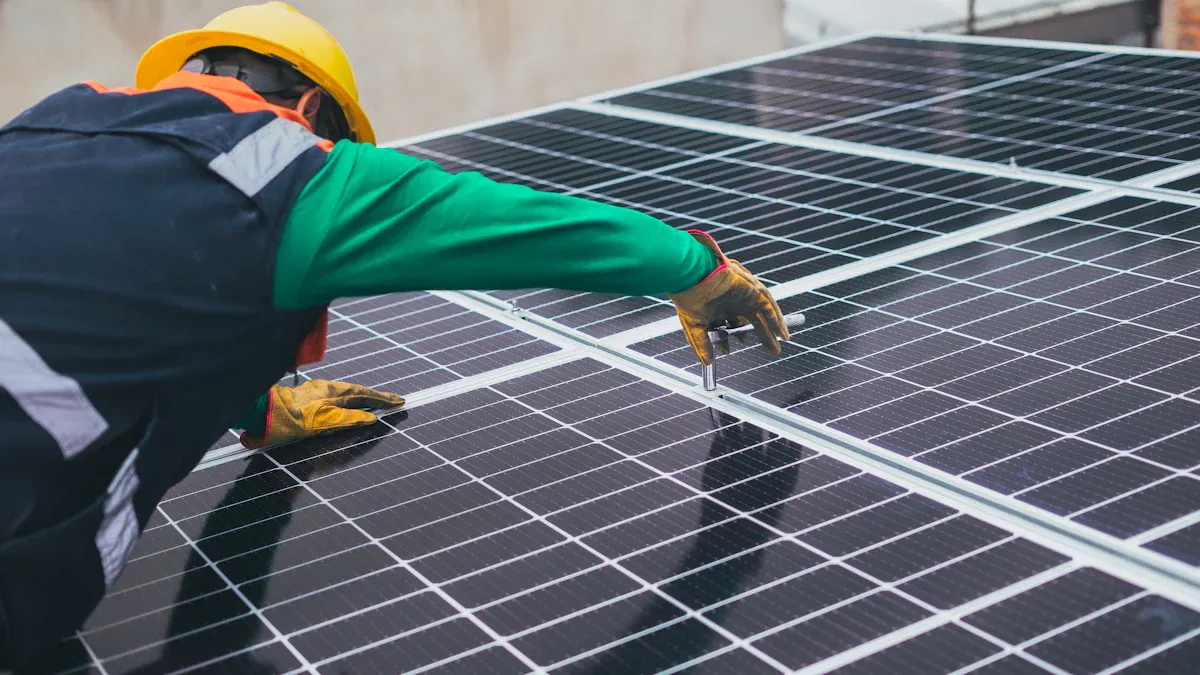
Assess Your Home’s Suitability and Energy Needs
Start by checking if your home can support solar panels. Look at your roof. Make sure it gets enough sunlight during the day. Trees, buildings, or other objects can block sunlight and lower your system’s power. You should also check the roof’s condition. A strong, clean roof works best for solar panels.
Next, figure out how much electricity you use. You can look at your electric bills from the past year. Write down your average monthly usage in kilowatt-hours (kWh). This number helps you decide how many solar panels you need.
Tip: Use online solar calculators to estimate your system size. These tools can help you plan better.
Choose the Right Solar System and Equipment
Pick a solar system that matches your needs. You can choose between grid-tied, off-grid, or hybrid systems. Grid-tied systems connect to your local utility. Off-grid systems work alone and need batteries. Hybrid systems use both the grid and batteries.
You need several main parts for your solar setup:
- Solar panels
- SOLAR CABLE for safe wiring
- Inverter (changes DC to AC power)
- Mounting hardware
- Battery (if you want backup power)
- Monitoring system
Check the quality of each part. Good equipment lasts longer and works better.
Prepare Your Roof and Electrical Setup
Clean your roof before you start. Remove dirt, leaves, or anything that could block the panels. Make sure the roof can hold the weight of the panels and mounting hardware.
You should also check your home’s electrical system. Your main panel must handle the extra power from the solar system. If you feel unsure, ask a licensed electrician to inspect your setup.
Install and Wire the Solar Panels with SOLAR CABLE
Mount the solar panels on your roof using the right hardware. Follow the manufacturer’s instructions for spacing and angle. Secure each panel tightly to prevent movement during storms.
Use SOLAR CABLE to connect the panels together. This type of cable handles outdoor conditions and high voltage. Run the SOLAR CABLE from each panel to a central combiner box or junction box. Make sure you use the correct size and length for safety.
Note: Always use SOLAR CABLE for all outdoor and rooftop wiring. Regular electrical wire does not last as long in sunlight and weather.
Connect the Inverter and Battery (If Used)
Connect the SOLAR CABLE from the combiner box to the inverter. The inverter changes the DC power from your panels into AC power for your home. If you use a battery, connect it to the inverter as well. The battery stores extra energy for use at night or during power outages.
Some inverters come with built-in monitoring systems. These tools help you track your system’s performance.
Integrate with Your Electrical Panel
You must connect the inverter’s output to your home’s main electrical panel. This step lets your solar power flow into your house. Use SOLAR CABLE for this connection to ensure safety and reliability.
Most homes need a dedicated breaker for the solar system. Label this breaker clearly. If you have a grid-tied system, your utility company may need to inspect and approve the connection.
| Step | What You Need | Why It Matters |
|---|---|---|
| Connect to panel | SOLAR CABLE, breaker | Safe, reliable power transfer |
| Label breaker | Marker, label | Easy identification |
| Utility inspection | Permit, documents | Legal and safe operation |
Test and Monitor Your Solar System
Turn on your system and check each part. Watch for warning lights or error messages. Use the monitoring system to track how much power your panels make. Check the SOLAR CABLE connections for heat or loose wires.
Safety Alert: If you see sparks, smoke, or strange smells, turn off the system and call a professional right away.
Keep an eye on your system’s performance. Regular checks help you spot problems early and keep your solar panels working well.
Safety, Permits, and Professional Installation
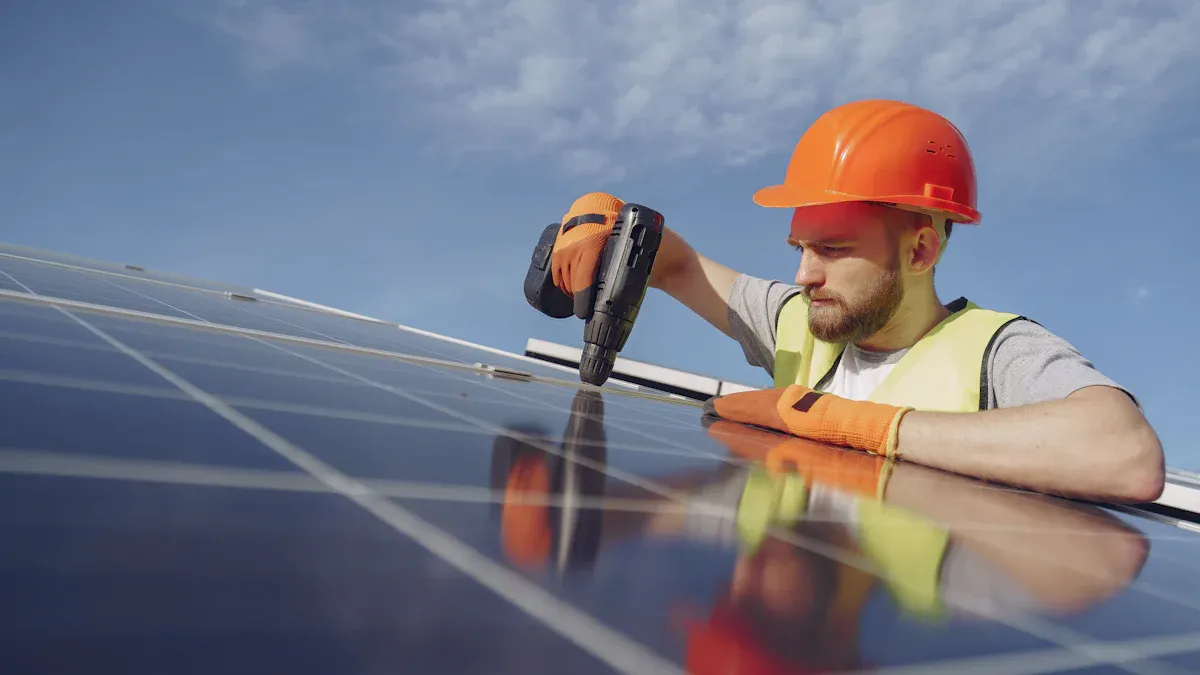
Safety Precautions and Best Practices
You must always put safety first when working with solar panels and electricity. Wear insulated gloves and safety glasses. Turn off the main power before you touch any wires. Use a sturdy ladder and never work on a wet roof. Keep your tools dry and organized. Check each SOLAR CABLE for damage before you use it. If you see frayed wires or loose connections, replace them right away.
Tip: Keep a fire extinguisher nearby when you work with electrical systems.
Permitting and Code Requirements
You need to follow local building codes and electrical rules. Most cities require a permit before you install solar panels. Visit your city’s website or call the building department to learn what you need. Submit your plans and wait for approval. Inspectors will check your work to make sure it meets safety standards.
| Permit Step | Who to Contact | Why It Matters |
|---|---|---|
| Get permit | City building office | Legal installation |
| Schedule inspection | Local inspector | Safety and compliance |
| Final approval | Utility company | Connect to the grid |
Note: Skipping permits can lead to fines or forced removal of your system.
DIY vs. Hiring a Professional
You can install solar panels yourself if you have the right skills. DIY saves money, but it takes time and careful planning. Mistakes can cause fires or electric shocks. Professionals know the codes and can finish the job faster. They also offer warranties and support.
- DIY: Lower cost, more control, higher risk.
- Professional: Higher cost, less risk, expert help.
If you feel unsure, hire a licensed electrician. Your safety and your home’s value depend on a proper installation.
You can connect solar panels to your house by following each step carefully. Always use SOLAR CABLE for safe wiring. Remember to follow local codes and stay safe. Ask local experts for advice. Plan ahead if you want to expand your system in the future.
FAQ
Can you connect solar panels to your house without batteries?
Yes, you can. Grid-tied systems send power straight to your home and the utility grid. You do not need batteries for this setup.
What happens if your solar panels make more power than you use?
Extra power goes to the grid. Many utility companies give you credits for this extra energy. This process is called net metering.
Do you need special cables for solar panel wiring?
You must use SOLAR CABLE. This cable resists sunlight, heat, and weather. Regular electrical wire does not last as long outdoors.
Tip: Always check cable labels before you install them.