

 Send Email
 Whatsapp


Choosing between 4mm and 6mm solar cable, including black solar cable and red solar cable.
Choosing between 4mm and 6mm solar cable, including black solar cable and red solar cable.
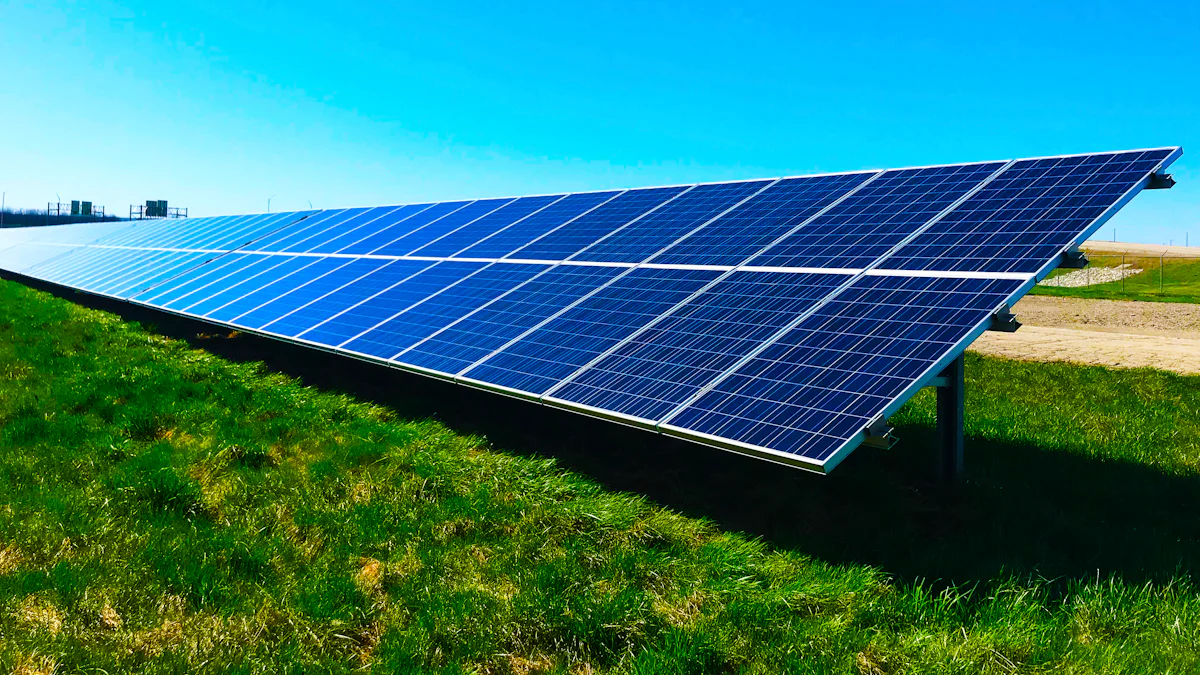
Selecting the appropriate solar cable size might seem challenging, but it’s crucial for optimizing your system’s performance. Typically, you’ll choose between 4mm and 6mm cables depending on the current capacity and distance. Both black solar cable and Red Solar Cable are essential components, ensuring your solar setup is organized and operates safely.
Key Takeaways
- Choose 4mm cables for small to medium solar setups, ensuring efficient current flow over short distances, while considering 6mm cables for larger systems or longer distances to minimize voltage drop.
- Always match your cable size to your system's voltage and current requirements; thicker cables like 6mm are essential for higher power demands to prevent overheating and energy loss.
- Utilize black and red solar cables for clear polarity identification, enhancing safety and simplifying maintenance, which ultimately leads to a more organized and efficient solar system.
Understanding Solar Cable Sizes
4mm Solar Cable: Current Capacity and Use Cases
When you're working on a small to medium-sized solar setup, 4mm Solar Cables are often the go-to choice. These cables are designed to handle moderate current loads, making them ideal for systems with lower power requirements. If your solar panels are close to your inverter or charge controller, 4mm cables can efficiently carry the current without significant energy loss.
You might use 4mm cables in residential setups, RV solar systems, or small off-grid installations. They’re lightweight and flexible, which makes them easy to install in tight spaces. However, if the distance between your panels and the rest of the system is long, you may notice a voltage drop. In such cases, upgrading to a thicker cable might be necessary.
6mm Solar Cable: Higher Capacity and Applications
For larger solar systems or setups with higher power demands, 6mm solar cables are a better fit. These cables can handle more current, which reduces the risk of overheating and energy loss. If you're running a commercial solar installation or a high-capacity off-grid system, 6mm cables provide the durability and efficiency you need.
Longer distances between components also call for 6mm cables. They minimize voltage drop over extended runs, ensuring your system operates at peak performance. Whether you're using a black solar cable or a red solar cable, choosing the right size ensures your system stays safe and efficient.
Factors to Consider When Choosing Cable Size
System Voltage and Current Requirements
Your solar system's voltage and current requirements play a huge role in picking the right cable size. Higher voltage systems usually need thinner cables, while lower voltage systems require thicker ones to handle the same amount of power. For example, if your system operates at 12V or 24V, you’ll likely need thicker cables like 6mm to safely carry the current. On the other hand, higher voltage systems, such as 48V, can often work well with 4mm cables.
You should also consider the current your system generates. If your solar panels produce a lot of current, a thicker cable will prevent overheating and energy loss. Always check your system’s specifications to match the cable size with its voltage and current needs.
Distance and Voltage Drop
The distance between your solar panels and the rest of your system is another critical factor. Longer distances mean more resistance in the cable, which can lead to voltage drop. This reduces the efficiency of your system. If your panels are far from your inverter or charge controller, you’ll need a thicker cable, like 6mm, to minimize energy loss.
For shorter distances, 4mm cables might be enough. However, always calculate the voltage drop to ensure your system runs efficiently. Using the right cable size, whether it’s a black solar cable or a red solar cable, ensures your setup delivers maximum performance.
Planning for Future System Upgrades
Are you planning to expand your solar system in the future? If so, it’s smart to choose a cable size that can handle the additional load. Upgrading to thicker cables now, like 6mm, can save you time and money later. This way, you won’t have to replace your cables when you add more panels or increase your system’s capacity.
Think about your long-term goals. Even if your current setup works fine with 4mm cables, investing in 6mm cables might be a better choice for future-proofing your system. It’s always better to plan ahead than to deal with costly upgrades later.
Black Solar Cable vs. Red Solar Cable
Purpose of Color Coding in Solar Systems
Have you ever wondered why solar cables come in different colors? The color coding in solar systems isn’t just for looks—it plays a vital role in safety and organization. Black solar cable and red solar cable are the most common choices. Each color has a specific purpose.
The black cable typically connects to the negative terminal, while the red cable connects to the positive terminal. This color distinction helps you quickly identify the polarity of your connections. It’s especially useful when you’re troubleshooting or maintaining your system. Imagine trying to figure out which cable is which without color coding—it would be a nightmare!
Color coding also reduces the risk of wiring errors. When you’re setting up your solar system, it’s easy to make mistakes if all the cables look the same. Using black and red cables ensures you connect everything correctly the first time.
Practical Benefits of Using Black and Red Cables
Using black and red solar cables isn’t just about safety—it also makes your system more efficient and professional-looking. For starters, it simplifies installation. You don’t have to second-guess which cable goes where. This saves you time and effort, especially if you’re new to solar setups.
Black and red cables also improve system maintenance. If something goes wrong, you can quickly trace the problem by following the color-coded wires. This makes repairs faster and less stressful. Plus, a neatly organized system with color-coded cables just looks better. It shows you’ve put thought into your setup, which can be a point of pride.
Whether you’re using a black solar cable or a red solar cable, the benefits of color coding are clear. It’s a small detail that makes a big difference in how your system operates.
Choosing the Right Solar Cable for Your Setup
Step-by-Step Guide to Selecting Cable Size
Picking the right cable size doesn’t have to be complicated. Follow these steps to make the best choice for your solar system:
- Check Your System’s Voltage and Current: Start by looking at your system’s specifications. Higher voltage systems often work well with thinner cables, while lower voltage systems need thicker ones to handle the same power.
- Measure the Distance: Calculate the distance between your solar panels and the inverter or charge controller. Longer distances mean more resistance, so you’ll need a thicker cable to reduce voltage drop.
- Consider Future Expansion: Think about whether you’ll add more panels or increase capacity later. If so, go for a thicker cable now to save yourself the hassle of upgrading later.
- Consult a Voltage Drop Calculator: Use an online tool to estimate voltage drop based on your setup. This ensures you’re choosing a cable that keeps your system efficient.
By following these steps, you’ll find the right size, whether it’s a 4mm or 6mm cable.
Step-by-Step Guide to Selecting Cable Color
Choosing between black and red solar cables is just as important as picking the right size. Here’s how to decide:
- Understand the Purpose: Use a black solar cable for the negative connection and a red solar cable for the positive connection. This color coding helps you avoid wiring mistakes.
- Match Your System’s Design: If your system is outdoors, black cables resist UV damage better. For indoor setups, both colors work equally well.
- Plan for Easy Maintenance: Color-coded cables make troubleshooting easier. You’ll quickly identify which wire connects where, saving time during repairs.
Using black solar cable and red solar cable ensures your system stays organized and safe. Plus, it gives your setup a professional look.
Choosing between 4mm and 6mm solar cables depends on your system’s needs. Thicker 6mm cables handle higher currents and longer distances, while 4mm works for smaller setups. Picking the right size and using black and red cables ensures safety, efficiency, and easy maintenance. A well-chosen cable keeps your solar system running smoothly.
FAQ
What happens if I use the wrong cable size?
Using the wrong size can cause overheating, energy loss, or even damage to your system. Always match the cable size to your system’s requirements.
Can I mix black and red cables with other colors?
You can, but it’s not recommended. Black and red cables follow standard color coding, making your system safer and easier to troubleshoot.
How do I calculate voltage drop for my cables?
Use an online voltage drop calculator. Input your system’s voltage, current, and cable length to find the drop. This ensures your setup stays efficient.