

 Send Email
 Whatsapp


Can I use copper wire for solar?
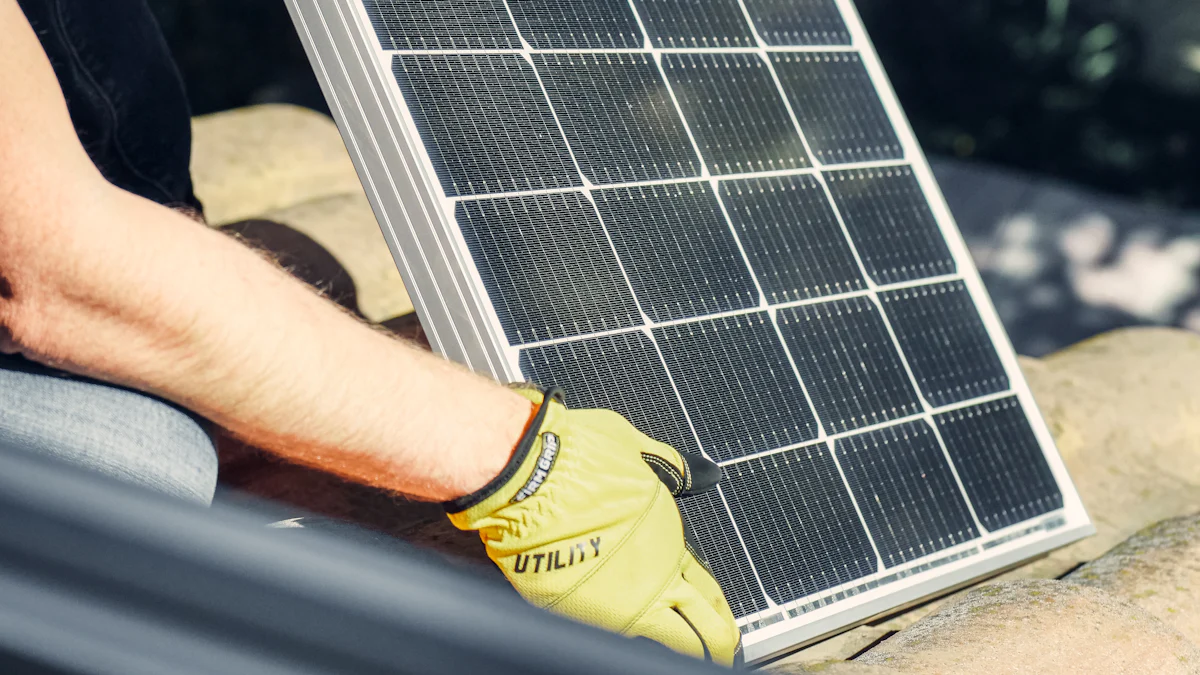
When setting up a solar panel system, you want reliable and efficient wiring. Copper wire is a fantastic choice because it offers excellent conductivity and durability. It works seamlessly as a Solar Cable, ensuring your system runs smoothly. Plus, its long lifespan means fewer replacements, saving you time and effort in the long run.
Key Takeaways
- Copper wire conducts electricity well, making solar panels work efficiently.
- It lasts long and doesn’t rust, so it needs fewer fixes.
- Using the right wire size and cover is important; ask an expert to help.
Why Copper Wire is Ideal for Solar Cable
High Conductivity and Efficiency
Copper wire stands out because of its exceptional conductivity. It allows electricity to flow with minimal resistance, which means your solar panel system can operate more efficiently. When you use copper as your solar cable, you reduce energy loss, ensuring more power reaches your home or devices. This efficiency is especially important for solar setups, where every bit of energy counts.
You might wonder, "Why not use other materials?" While alternatives exist, copper's ability to handle high currents without overheating makes it the top choice. It ensures your solar panels perform at their best, even during peak sunlight hours.
Durability and Longevity
Copper wire is tough. It resists corrosion, even in harsh weather conditions. Whether your solar system faces rain, snow, or intense heat, copper wiring holds up. This durability means fewer repairs and replacements over time, saving you money and hassle.
Another advantage? Copper wire maintains its performance for decades. Once installed, you can count on it to keep your solar cable system running smoothly for years.
Compatibility with Solar Systems
Copper wire works seamlessly with most solar panel systems. Its flexibility makes installation easier, even in complex setups. Plus, it pairs well with other components, like connectors and inverters, ensuring a reliable connection throughout your system.
If you're planning to expand your solar setup in the future, copper wiring is a smart choice. Its compatibility ensures you can easily add more panels or upgrade your system without major rewiring.
Tip: Always consult a professional to ensure your copper wiring is properly sized and installed for your specific solar needs.
Key Considerations for Using Copper Wire

Wire Gauge and Sizing
Choosing the right wire gauge is critical for your solar setup. The gauge determines how much current the wire can handle without overheating. If you pick a wire that's too thin, it could lead to energy loss or even safety hazards. On the other hand, a thicker wire might cost more but ensures better performance.
You’ll need to consider the distance between your solar panels and the inverter or battery. Longer distances require thicker wires to minimize voltage drop. A professional can help you calculate the correct gauge based on your system's power output and layout.
Insulation and Weather Resistance
Copper wire insulation plays a big role in protecting your solar cable from the elements. Outdoor solar systems face harsh conditions like rain, UV rays, and extreme temperatures. High-quality insulation ensures your wires stay safe and functional over time.
Look for wires with weather-resistant coatings. These coatings prevent moisture and sunlight from damaging the copper inside. If you live in an area with extreme weather, investing in durable insulation is a must.
Cost Implications
Copper wire is more expensive than some alternatives, but it’s worth the investment. Its efficiency and durability save you money in the long run. You’ll spend less on repairs and replacements compared to cheaper materials.
If budget is a concern, you can balance costs by using copper for critical parts of your system and exploring alternatives for less demanding areas. Always weigh the upfront cost against the long-term benefits.
Tip: Don’t cut corners on wiring quality. A reliable solar cable ensures your system runs efficiently and safely for years.
Alternatives to Copper for Solar Cable
Aluminum Wire as an Option
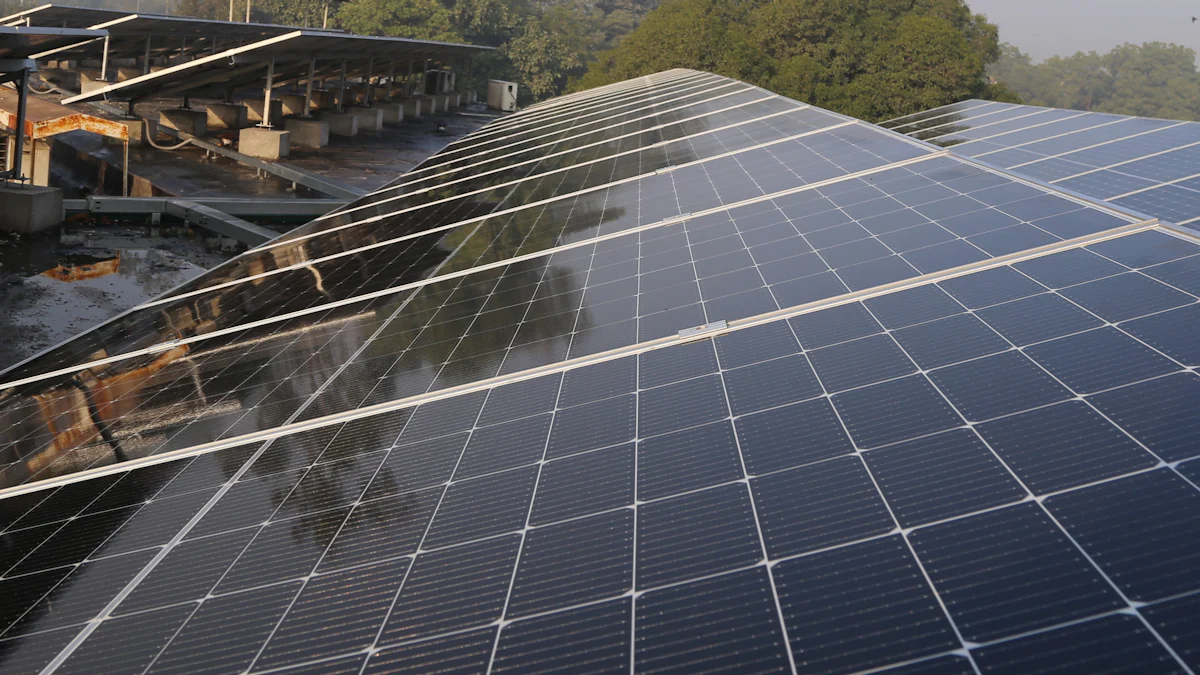
If you're looking for a more budget-friendly alternative, aluminum wire might catch your attention. It’s lighter and less expensive than copper, making it a popular choice for large-scale solar installations. Aluminum wire can handle decent amounts of current, so it works well in many solar setups.
However, aluminum isn’t as conductive as copper. This means you’ll need thicker aluminum wires to achieve the same efficiency. It’s also more prone to oxidation, which can weaken connections over time. To combat this, manufacturers often coat aluminum wires to protect them from corrosion.
You might also notice that aluminum is less flexible than copper. This can make installation a bit trickier, especially in tight spaces. But if cost is your main concern, aluminum wire could still be a viable option for your solar system.
Note: Always check local electrical codes and consult a professional before choosing aluminum wire for your solar project.
Comparing Aluminum and Copper
When deciding between aluminum and copper, it helps to weigh the pros and cons. Here’s a quick comparison:
| Feature | Copper | Aluminum |
|---|---|---|
| Conductivity | High | Moderate |
| Durability | Excellent | Good (with coating) |
| Weight | Heavier | Lighter |
| Cost | Higher | Lower |
| Flexibility | Very flexible | Less flexible |
Copper wins in conductivity, durability, and flexibility. Aluminum stands out for its affordability and lighter weight. If you’re working on a tight budget, aluminum might work for less critical parts of your system. But for long-term reliability, copper remains the gold standard.
Tip: Think about your system’s needs and your budget. A mix of copper and aluminum might give you the best of both worlds.
Copper wire is your best bet for a solar panel system. Its high conductivity ensures efficient energy transfer. It lasts for decades, even in tough weather. Proper sizing and insulation make all the difference in performance. While aluminum offers a cheaper alternative, copper remains the top choice for reliability and long-term value.
Tip: Always prioritize quality wiring for your solar setup. It saves you money and headaches down the road!
FAQ
Can I mix copper and aluminum wires in my solar system?
Yes, but you need special connectors to prevent corrosion. Mixing metals without proper precautions can cause safety issues and reduce efficiency.
How do I calculate the correct wire gauge for my solar setup?
Use a wire gauge calculator. Input your system's voltage, current, and wire length. This ensures safe and efficient energy transfer.
Is copper wire safe for outdoor solar installations?
Absolutely! Copper wire with proper insulation resists weather damage. Choose weather-resistant coatings to protect against UV rays, rain, and extreme temperatures.
Tip: Always consult a professional for safe and efficient wiring installation.