
 Send Email
 Whatsapp


Are all solar cables the same?
Are all solar cables the same?

When it comes to solar power systems, not all cables are created equal. A Solar Cable is built to handle tough conditions like UV rays, extreme heat, and outdoor exposure. Using the right one keeps your system safe and efficient. It also ensures your investment lasts for years without unnecessary issues.
What Is a Solar Cable?
Definition and Purpose
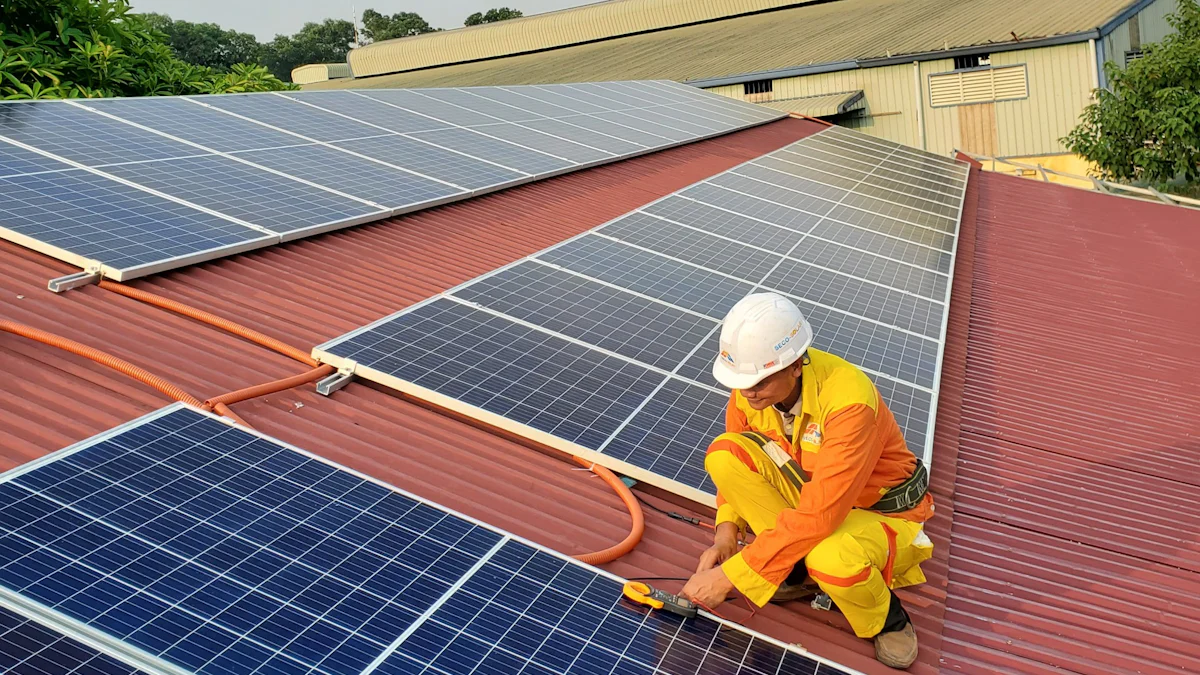
A solar cable is a special type of wire designed specifically for solar power systems. It connects the different components of your system, like solar panels, inverters, and batteries, to ensure electricity flows smoothly. Unlike regular cables, a solar cable can handle tough outdoor conditions. It resists UV rays, extreme temperatures, and moisture, making it perfect for long-term use in solar setups.
Why is this important? Well, solar power systems often operate in harsh environments. If you use the wrong cable, it could wear out quickly or even cause safety issues. A solar cable ensures your system runs efficiently and safely, giving you peace of mind.
Types of Solar Cables (DC and AC)
Solar cables come in two main types: DC (direct current) and AC (alternating current). Each one serves a specific purpose in your solar power system.
-
DC Solar Cables: These cables carry electricity from your solar panels to the inverter. Since solar panels produce direct current, DC cables are essential for this part of the process. They are designed to handle high voltages and resist outdoor conditions.
-
AC Solar Cables: Once the inverter converts DC electricity into AC electricity, AC cables take over. They transport the usable electricity to your home or the grid. These cables are built to handle alternating current and ensure efficient power delivery.
Choosing the right type of solar cable for each part of your system is crucial. It helps your system work smoothly and reduces the risk of damage or inefficiency.
Key Features of a Solar Cable
Insulation and Material Quality
The insulation of a solar cable plays a huge role in its performance. High-quality insulation protects the cable from damage caused by moisture, chemicals, or abrasion. It also ensures that electricity flows safely without leaks or short circuits. Most solar cables use cross-linked polyethylene (XLPE) or similar materials for insulation. These materials are tough, flexible, and designed to last in harsh conditions. When choosing a solar cable, always check the material quality. A well-insulated cable keeps your system safe and efficient.
UV and Weather Resistance
Solar cables spend most of their time outdoors, exposed to the elements. That’s why they’re built to resist UV rays, rain, and wind. Without UV resistance, a cable’s outer layer can crack or degrade over time. This can lead to electrical failures or safety hazards. A good solar cable is designed to handle years of sun exposure without breaking down. It’s also weatherproof, so it won’t be affected by rain, snow, or humidity. This feature ensures your system stays reliable, no matter the weather.
Temperature and Fire Resistance
Solar cables face extreme temperatures, especially in hot climates or during peak sunlight hours. They’re made to withstand both high and low temperatures without losing performance. Many solar cables can handle temperatures ranging from -40°F to over 200°F. Some are even fire-resistant, adding an extra layer of safety. This means you don’t have to worry about overheating or fire risks, even in challenging environments.
Longevity and Durability
Durability is key when it comes to solar cables. These cables are designed to last for decades, even in tough conditions. Their robust construction prevents wear and tear, reducing the need for frequent replacements. A durable solar cable not only saves you money but also ensures your solar power system runs smoothly for years. Investing in a long-lasting cable is one of the smartest decisions you can make for your setup.
Solar Cable vs Normal Cable
Differences in Materials and Construction
You might think all cables are the same, but they’re not. Solar cables are built with materials that can handle tough conditions. They often use tinned copper for the conductor, which resists corrosion and ensures long-term performance. The insulation is usually made from cross-linked polyethylene (XLPE) or similar materials, offering excellent durability. On the other hand, normal cables typically use PVC insulation, which doesn’t hold up well in extreme environments.
The construction of a solar cable is also different. It’s designed to be flexible yet strong, making it easier to install in outdoor setups. Normal cables, however, aren’t built with the same level of toughness. They’re more suited for indoor use where conditions are stable.
Performance in Outdoor and Harsh Environments
Solar cables shine when it comes to outdoor performance. They’re made to resist UV rays, rain, and temperature swings. Whether it’s a scorching summer day or a freezing winter night, these cables keep working without breaking down. Normal cables, however, struggle in such conditions. They can crack, degrade, or even fail when exposed to sunlight or moisture for long periods.
If you’re setting up a solar power system, you need cables that can handle the elements. A solar cable ensures your system stays reliable, no matter the weather.
Safety and Efficiency Considerations
Safety is a big deal when dealing with electricity. Solar cables are designed with safety in mind. Their insulation prevents electrical leaks and reduces the risk of short circuits. Many are also fire-resistant, adding an extra layer of protection. Normal cables don’t offer the same level of safety features, especially in outdoor setups.
Efficiency is another factor. Solar cables minimize energy loss, ensuring your system runs at its best. Normal cables can’t match this level of performance, which could lead to wasted energy and higher costs over time. Choosing the right cable isn’t just about durability—it’s about keeping your system safe and efficient.
How to Choose the Right Solar Cable
Factors to Consider (e.g., voltage, current, and environment)
Picking the right solar cable isn’t as tricky as it sounds. You just need to focus on a few key factors. First, check the voltage and current requirements of your solar power system. Every cable has a limit, and using one that can’t handle the load could lead to overheating or damage. Look at the specifications of your system and match them with the cable’s ratings.
Next, think about the environment where the cable will be installed. Is it going to be exposed to direct sunlight, rain, or extreme temperatures? If so, you’ll need a cable designed for outdoor use. A solar cable with UV resistance and weatherproofing will perform better and last longer in harsh conditions.
Importance of Certifications and Standards
Certifications matter more than you might think. They prove that a solar cable meets safety and performance standards. Look for certifications like TÜV, UL, or IEC. These ensure the cable has been tested for durability, fire resistance, and electrical safety. Using certified cables reduces risks and gives you peace of mind.
Standards also help you avoid compatibility issues. A cable that meets international standards will work well with most solar systems. Don’t skip this step—it’s worth the extra effort to ensure your system is safe and efficient.
Tips for Ensuring Compatibility with Your Solar System
Compatibility is key when choosing a solar cable. Start by checking the connectors on your solar panels and inverters. Make sure the cable you choose fits perfectly. A mismatch can cause poor connections and reduce efficiency.
Measure the distance between components. Longer distances may require thicker cables to prevent energy loss. Also, consult your system’s manual or a professional installer for guidance. They can help you pick the right cable for your setup.
Pro Tip: Always buy a little extra cable length. It’s better to have some slack than to come up short during installation.
Not all solar cables are the same. They’re built to handle the unique challenges of solar power systems, like UV exposure and harsh weather. Features like durability and safety make them the best choice for solar setups. Picking the right solar cable ensures your system runs efficiently, stays safe, and lasts for years.