
 Send Email
 Whatsapp


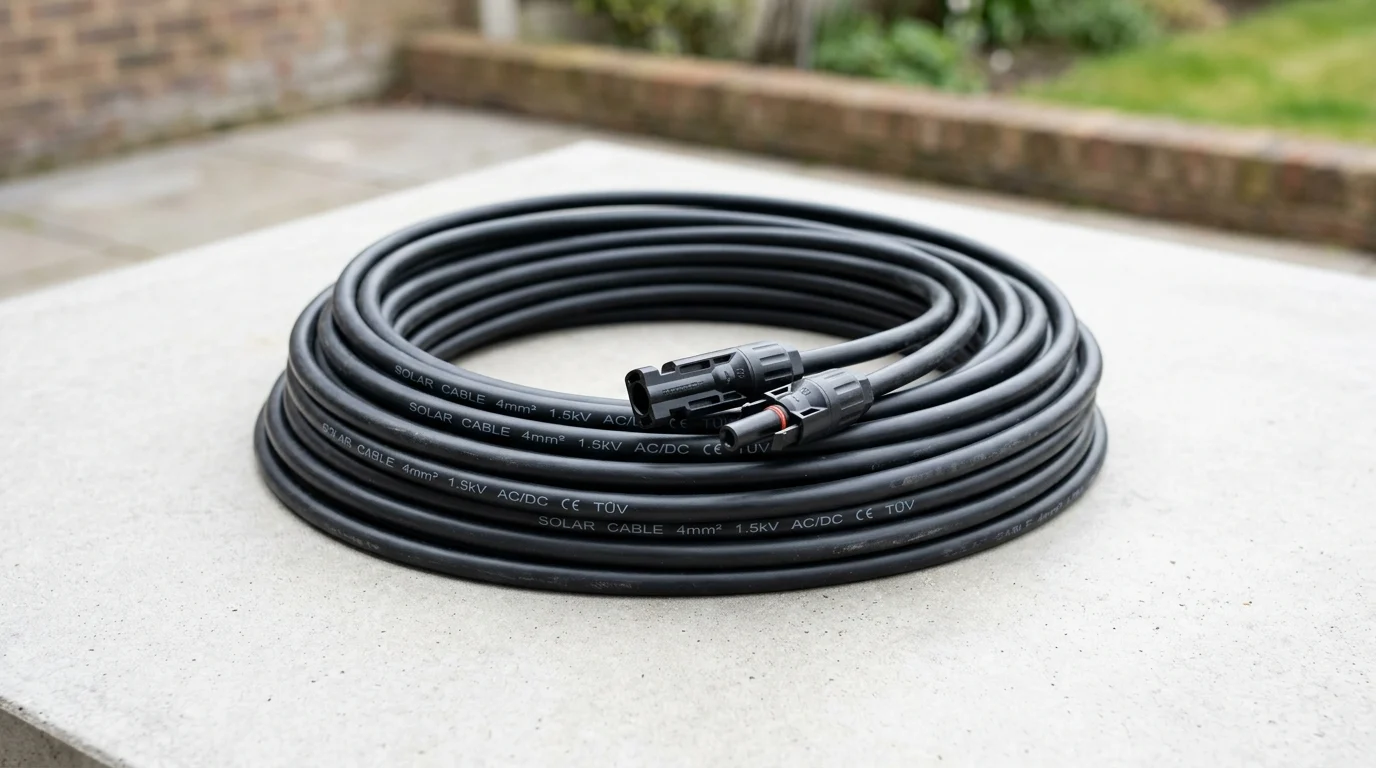
For solar developers, distributors, and EPC buyers, cable selection is not a minor purchasing detail—it directly affects safety, efficiency, and long-term system reliability. At the upcoming Canton Fair in Guangzhou, Pntech will give visitors the opportunity to move beyond catalog comparisons and examine PV Cable quality firsthand, from copper stranding and insulation thickness to 1500V DC-rated options for large-scale installations. With global copper prices and supply chain timing still influencing project budgets, meeting a manufacturer face to face can help clarify specifications, MOQs, customization needs, and delivery expectations. This guide explains what to review at the booth and how to make smarter solar cable sourcing decisions.

Why meet Pntech at the 140th Canton Fair
The Canton Fair is a premier industry event, and the 140th edition is an essential destination for renewable energy sourcing. Navigating Phase 1 in Guangzhou, with its 1.5 million square meters of floor space, requires a solid plan before you arrive.
We highly recommend scheduling time to visit the Pntech booth during the event. As a manufacturer with a proven track record in global photovoltaic projects and dedicated production scale, we offer expertise that goes beyond generic supply. Sourcing critical infrastructure materials requires a high level of trust, and meeting our team in person allows us to discuss tangible solutions for your upcoming solar installations, streamlining your procurement process and bypassing endless international email threads.

Explore solar cable buying opportunities
Sourcing products online is useful for initial research, but nothing beats holding a physical sample, stripping the jacket, and testing its flexibility in person. When we meet at the fair, we can openly discuss your specific supply chain requirements and how Pntech can help address them.
Whether you are stocking up for residential rooftop kits or utility-scale solar farms, securing a reliable solar cable supplier is critical amid global copper fluctuations. We can discuss numbers directly. To help new partners test their local markets, we offer highly flexible Minimum Order Quantities (MOQs) starting at 5,000 meters for our standard black and red PV wires. This low barrier to entry makes it easy to establish a relationship before committing to full shipping containers.
Review solar cable product ranges
At our booth, you will get a hands-on look at our entire product lineup. We bring actual wire cross-sections so you can inspect the copper stranding and insulation thickness yourself. You can review everything from our standard 4mm² and 6mm² single-core wires used in typical panel strings to heavier 16mm² to 35mm² sizes designed for main DC feeder lines.
We will also showcase our 1500V DC-rated lines, which are increasingly adopted as the industry standard for high-efficiency solar farms looking to minimize line losses over long distances. If your business requires custom jacket colors, specific striping, or company branding printed along the jacket, we can map out those customization options during your visit.
How to compare solar cable specifications
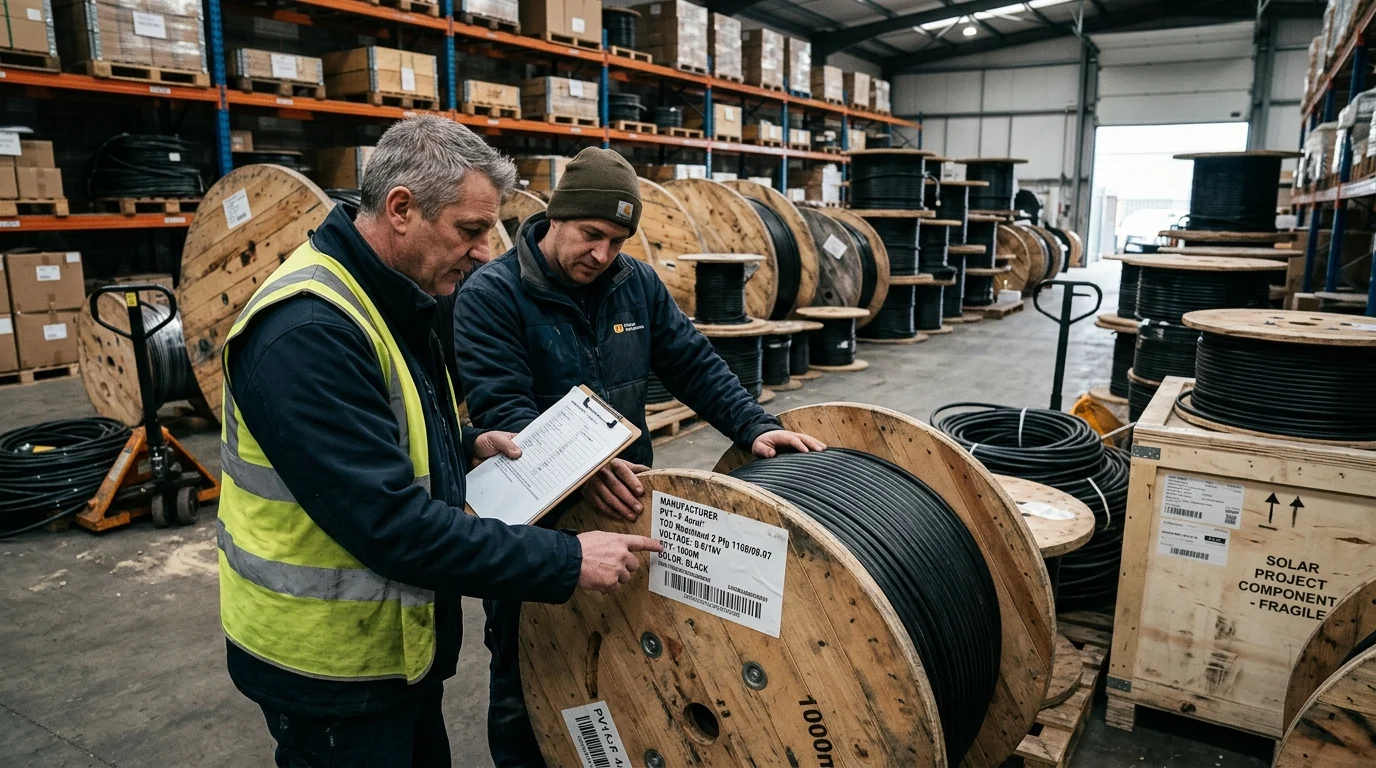
Many PV Wires on the trade show floor look identical on the outside. A smooth black or bright red jacket makes it easy to assume they are all manufactured to the same standard, but visual inspections can be deceiving.
Comparing technical specifications separates premium manufacturers from those who compromise on raw materials. Let's break down exactly what you should look for when evaluating products. While discussing these details at our booth is a great start, we encourage you to confirm all product specifications and certifications in writing to ensure total confidence in your procurement.
Check key PV cable performance factors
The first factor to check is thermal and environmental endurance. A standard PV wire must survive decades of UV exposure and temperature extremes without the jacket cracking. Our products are engineered for a baseline operating temperature range of -40°C to +90°C. They are also rated to handle up to 120°C at the conductor for 20,000 hours—a figure that refers to accelerated aging test conditions per IEC standards, rather than a continuous operational lifespan. We strictly use Class 5 tinned copper conductors, which provide excellent flexibility for installers and actively prevent oxidation.
To clarify why these specifications matter, here is a comparison of a proper PV wire versus a general-purpose electrical wire:
| Feature | Premium PV Cable (Pntech) | General Purpose Wire |
|---|---|---|
| Voltage Rating | 1500V DC | 600V - 1000V DC |
| Conductor Type | Tinned Copper (Class 5) | Bare Copper (Class 2) |
| Max Temp Endurance | 120°C (for 20,000 hours) | 90°C (Intermittent) |
| UV & Ozone Resistance | High (Cross-linked XLPO) | Low to Moderate (PVC) |
| Expected Lifespan | 25+ Years | 5 - 10 Years |
Verify certifications and test reports
Never buy photovoltaic cabling without verifying the factory's test reports. At the Canton Fair, our team will walk you through our compliance documents to provide total peace of mind. Look for the TUV EN50618 (H1Z2Z2-K) standard, which is required for the European market, or UL 4703 for North America.
Beyond electrical ratings, safety during a fire event is paramount. Our lines undergo rigorous halogen-free testing under the IEC 60754-1 standard. It is important to note that the 0.5% halogen threshold is a specific test condition rather than an absolute in-fire guarantee, but it ensures that the cable is designed to minimize toxic, corrosive smoke that could harm first responders or damage surrounding inverter equipment.
How to move from meeting to order
Agreeing on technical specifications at the booth is just the first step. The real progress happens when we transition from our meeting in Guangzhou to a seamless production run at our factory.
We aim to make this transition as frictionless as possible for your procurement team. Moving from an initial meeting to a finalized order requires clear communication, reliable logistics, and concrete next steps. Here is how we move things forward during and after the fair.
Request samples, quotations, and lead times
To make the most of your Canton Fair attendance, we recommend bringing your project specifications and current supply chain requirements directly to our booth. After our initial meeting, our team will follow up within 48 hours with a comprehensive digital quotation and a clear timeline.
If you need physical samples for your engineering team to evaluate back home, we will arrange expedited shipping directly from our manufacturing facility. Once you have verified our written specifications and approved the samples, we will outline the exact production lead times and logistics plan to ensure your order arrives on schedule. We look forward to seeing you in Guangzhou and building a lasting partnership.
Request samples, quotations, and lead
To make the most of your Canton Fair attendance, we recommend bringing your project specifications and current supply chain requirements directly to our booth. After our initial meeting, our team will follow up within 48 hours with a comprehensive digital quotation and a clear timeline.
If you need physical samples for your engineering team to evaluate back home, we will arrange expedited shipping directly from our manufacturing facility. Once you have verified our written specifications and approved the samples, we will outline the exact production lead times and logistics plan to ensure your order arrives on schedule. We look forward to seeing you in Guangzhou and building a lasting partnership.
Key Takeaways
- Plan your Canton Fair visit in advance because Phase 1 covers 1.5 million square meters and efficient sourcing requires scheduled booth meetings.
- Inspect solar cable samples physically by checking flexibility, jacket quality, copper stranding, and insulation thickness before making supplier decisions.
- Start with Pntech’s flexible 5,000-meter MOQ for standard black and red PV wires if you need to test local market demand.
- Match cable size to project needs by using 4mm² and 6mm² wires for typical panel strings and 16mm² to 35mm² cables for main DC feeder lines.
- Consider 1500V DC-rated solar cables for utility-scale projects that need higher efficiency and reduced line losses over long cable runs.
- Confirm all solar cable specifications, customization details, and certifications in writing before finalizing procurement.
Frequently Asked Questions
Why should buyers visit Pntech at the 140th Canton Fair?
Visitors can inspect solar cable samples in person, discuss project requirements directly with Pntech, and shorten procurement decisions without relying only on emails or online catalogs.
What solar cable sizes can buyers review at the booth?
Pntech will showcase common 4mm² and 6mm² single-core PV wires, plus larger 16mm² to 35mm² cables for main DC feeder lines.
Does Pntech offer low minimum order quantities?
Yes. New partners can start with flexible MOQs from 5,000 meters for standard black and red PV wires, making market testing easier.
Are 1500V DC solar cables available?
Yes. Pntech will present 1500V DC-rated lines designed for high-efficiency solar farms and long-distance DC transmission where reduced line loss matters.
Can solar cables be customized?
Pntech can discuss options such as custom jacket colors, striping, and company branding printed along the cable jacket during the fair.